
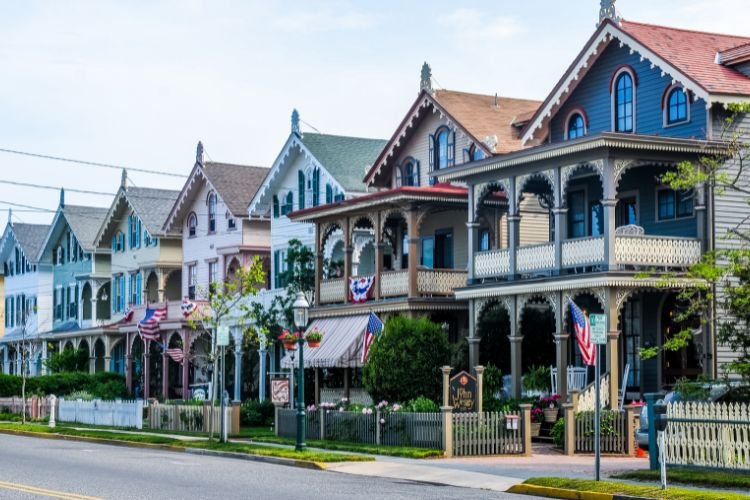
A resort town is still a town when the chairs are stacked
The Other Cape May: Life Beyond the Summer Season
Summer presents Cape May at full volume. The off season lowers the sound and reveals the structure beneath it. Streets widen. Conversations last. Weather takes command. The town does not disappear. It becomes more particular.
Summer presents Cape May at full volume. The off season lowers the sound and reveals the structure beneath it. Streets widen. Conversations last. Weather takes command. The town does not disappear. It becomes more particular.
01
Quiet is not emptiness
Visitors often call an off-season place empty when it is simply no longer arranged for them. Residents work, repair buildings, attend school, run businesses, and prepare for the next cycle. The quiet street is part of somebody’s ordinary day.
Travel with that awareness. Check hours rather than complaining about a closed door. Park with care on residential blocks. Lower your voice at night. The reward is a more honest encounter with the town’s scale.
02
Architecture steps forward
Bare trees and thinner crowds make buildings easier to see. Rooflines stand against cold sky. Porches lose their summer furniture. Paint and woodwork become visible without the softening effect of vines and beach equipment.
Take a slow walk in clear daylight. Winter sun sits low and creates strong shadow. Wear warm layers and watch for ice. The Historic District remains compelling without an event, though museums and tours may keep limited schedules.
03
Weather becomes the main character
In summer, weather interrupts plans. Off season, it shapes them. Wind changes walking routes. Rain sends visitors toward cafés and museums. Coastal storms demand respect and sometimes a complete change of plan.
Follow official forecasts and local alerts. Stay away from rough surf and flooded roads. Choose lodging that remains pleasant when you spend more time inside. A reading chair and a good common room can matter more than beach distance.
04
The restaurant list grows shorter and more useful
Fewer restaurants may open on a given winter night, yet the choice can feel more personal. Rooms are calmer. Staff have time. Seasonal menus may lean toward warmth and comfort.
Confirm service days before the trip. Reserve even when town looks quiet, because open restaurants gather demand. Keep one grocery or market option for late arrival. Flexibility is part of off-season competence.
05
Nature does not take a holiday
Bird life, tides, dunes, and marshes continue beyond summer. Some species arrive precisely because the season has changed. The beach offers long views, while the Point and harbor reward patient observation.
Dress for wind. Carry binoculars. Respect closures and habitat. Short outings are often wiser than heroic ones. Return indoors before cold erodes attention. Nature is best observed when the observer remains capable of care.
06
Return home with a different measure
An off-season trip may produce fewer attractions and deeper memory. One fine meal, one hard blue sky, one museum, and a long walk can fill a weekend. The absence of choice becomes a kind of freedom.
Do not try to recreate July in February. Let the season supply its own form. Cape May’s year-round character appears when visitors stop asking why summer is missing and begin noticing what winter has brought.
A reader’s field exercise
Carry the story into the streets
Begin with one hour and no ambition to cover the town. Choose a route that fits the subject of this essay. Walk slowly enough to notice a change in light, sound, material, or pace. Write down one detail before taking a photograph. Description trains the eye because it asks you to decide what is actually there.
Quiet is not emptiness
Find one living example of this idea. Observe without entering private space. Ask what the detail reveals about Cape May, then ask what it leaves unexplained.
Architecture steps forward
Find one living example of this idea. Observe without entering private space. Ask what the detail reveals about Cape May, then ask what it leaves unexplained.
Weather becomes the main character
Find one living example of this idea. Observe without entering private space. Ask what the detail reveals about Cape May, then ask what it leaves unexplained.
The restaurant list grows shorter and more useful
Find one living example of this idea. Observe without entering private space. Ask what the detail reveals about Cape May, then ask what it leaves unexplained.
Nature does not take a holiday
Find one living example of this idea. Observe without entering private space. Ask what the detail reveals about Cape May, then ask what it leaves unexplained.
Return home with a different measure
Find one living example of this idea. Observe without entering private space. Ask what the detail reveals about Cape May, then ask what it leaves unexplained.
Return to the same subject at another hour. Morning and evening reveal different truths. Crowds alter the scale of a street, while rain changes color and sound. Compare what you expected with what the place actually offered. Let the gap remain visible in your notes.
Talk with someone who works in the town when the moment is natural and they have time. Ask one plain question about Cape May off season. Listen for the practical detail that does not appear in a brochure. Do not press for a performance of local knowledge. Courtesy is a better guide than curiosity without limits.
Read one official source after the walk. Separate documented history from local legend and personal impression. All three can enrich a visit, but they should not be confused. Precision does not diminish wonder. It gives wonder a sound foundation.
End somewhere you can sit. Review the notes without trying to turn them into a verdict. A place becomes richer when it resists summary. The goal is not to master Cape May in an afternoon. It is to leave with a better question than the one you brought.
Continue the thought
Use the story to plan a more attentive visit
These practical guides turn the essay’s ideas into routes, choices, and current visitor information.
Source desk
City of Cape May · Cape May Chamber
Historical and operational claims should be checked against the linked institutions. Current schedules can change.
Reader questions
Cape May off season FAQs
Clear answers, with room for the place itself to remain complicated.
When is Cape May off season?
The quietest period is generally after the holidays through early spring, with shoulder seasons on either side of summer.
Are restaurants open?
Some are. Service days can be limited, so confirm and reserve.
Are beaches open?
Public access continues subject to weather, maintenance, and local rules. Lifeguards are generally seasonal.
Is winter worth visiting?
Yes for architecture, quiet, dining, birding, and reflective walks.
What should I pack?
Bring windproof layers, rain protection, sturdy shoes, and flexible plans.
The journal continues
Read Cape May with a slower eye
Explore practical guides and original stories about the architecture, coast, food, wildlife, and people that give the town its character.