
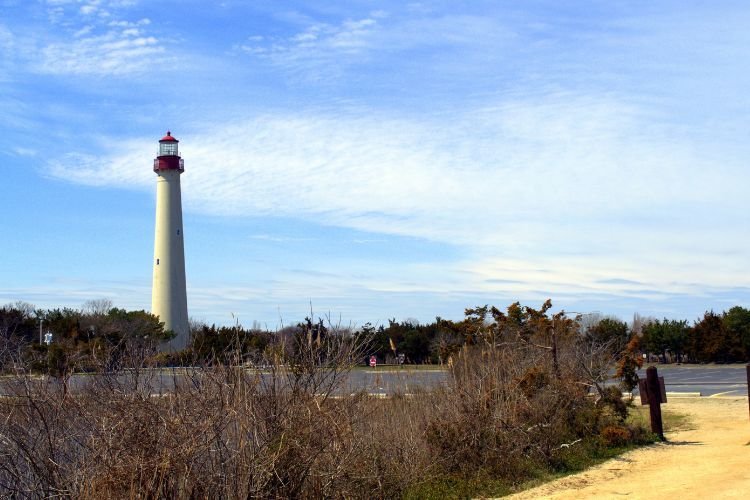
A migration crossroads
Cape May Birding: A Beginner-Friendly Field Guide
Cape May’s geography concentrates migrating birds at the end of a peninsula. You do not need expert identification skills to participate, but timing, wind, and habitat matter more than a long species wish list.
The answer in 30 seconds
Cape May birding: what matters most
Cape May’s geography concentrates migrating birds at the end of a peninsula. You do not need expert identification skills to participate, but timing, wind, and habitat matter more than a long species wish list.
Use the details below to choose the version of this experience that fits your group, season, pace, and budget. Cape May rewards visitors who verify current hours, group nearby stops, and leave enough room for weather and walking.
Choose the experience
A practical Cape May birding guide
Start with the option that matches what you actually want from the day, then build the route around it.
Cape May Point State Park
Use the hawk-watch platform, ponds, dunes, and trails. Conditions change through the day.
Northwood Center
The Cape May Bird Observatory’s Northwood Center provides local information, programs, and access to nearby habitat.
South Cape May Meadows
A flat preserve route combines ponds, marsh, beach, and lighthouse views. Follow current access notices.
Higbee Beach area
A renowned migration site with sensitive habitat and changing access during restoration work. Check current NJDEP guidance.
When to bird Cape May
Spring
Shorebirds and northbound songbirds create strong days, especially around Delaware Bay and protected wetlands.
Fall
The peninsula funnels southbound hawks, songbirds, monarchs, and dragonflies. Autumn is the signature season.
Winter and summer
Waterfowl, seabirds, breeding birds, and quieter trails make Cape May a year-round destination.
A smoother visit
Five moves that make the day better
- 01
Start with a guided walk
CMBO weekly walks are designed for varied experience levels.
- 02
Check wind and recent counts
Migration can change sharply overnight.
- 03
Arrive quietly
Give birds and other visitors space.
- 04
Stay on legal trails
Dunes, restoration areas, and nesting zones protect fragile habitat.
- 05
Record what you can confirm
A shorter accurate list is more useful than guesses.
Worth knowing
Birding ethics come first
Observe from a respectful distance, keep playback use conservative, stay out of closed habitat, and never push a bird for a photograph.
Keep this checklist
- Respect closures
- Keep groups compact
- Lower voices near wildlife
- Follow program leaders
- Leave habitat as found
Quick answers
Cape May birding FAQs
Use these answers to plan, then confirm current details with the responsible city, venue, operator, or property.
Why is Cape May famous for birding?
Its position at the end of a peninsula concentrates migrants moving along the Atlantic coast and Delaware Bay.
What is the best season?
Fall is the signature migration season, while spring is excellent for shorebirds and northbound songbirds.
Where should beginners start?
The Cape May Bird Observatory Northwood Center and Cape May Point State Park are practical first stops.
Do I need a guide?
No, but a guided walk can quickly improve identification and help you understand current conditions.
What should I bring?
Binoculars, weather protection, water, a field guide or app, and footwear suitable for sand or wet trails.
Keep planning
Turn this guide into a Cape May day you will remember
Pair this page with a realistic route, one strong meal, and enough open time to enjoy the shore at its own pace.