
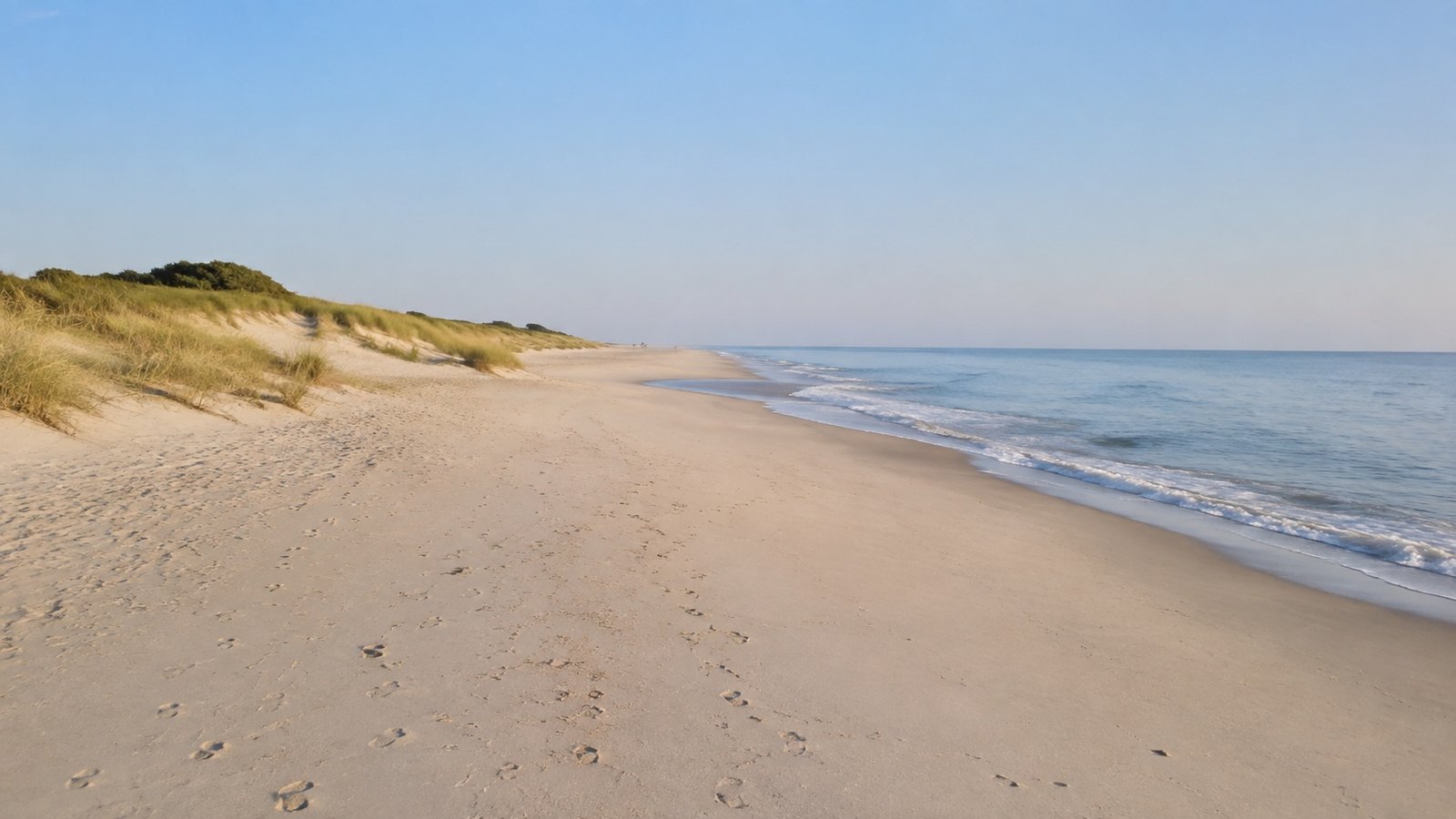
Read the wind before the map
Cape May Kayaking and Paddleboarding: Pick the Right Water
Cape May paddling ranges from sheltered back-bay creeks to exposed ocean water. Distance is only one part of the plan. Wind, tide, boat traffic, water temperature, and launch access decide whether a route is calm or demanding.
The answer in 30 seconds
Cape May kayaking: what matters most
Cape May paddling ranges from sheltered back-bay creeks to exposed ocean water. Distance is only one part of the plan. Wind, tide, boat traffic, water temperature, and launch access decide whether a route is calm or demanding.
Use the details below to choose the version of this experience that fits your group, season, pace, and budget. Cape May rewards visitors who verify current hours, group nearby stops, and leave enough room for weather and walking.
Choose the experience
A practical Cape May kayaking guide
Start with the option that matches what you actually want from the day, then build the route around it.
Back-bay creeks
Sheltered marsh routes can be scenic and beginner-friendly with a knowledgeable guide, though tides and channels still matter.
Delaware Bay
Bay paddling can feel calm near shore but is exposed to wind and changing conditions.
Harbor water
Marinas and channels require awareness of commercial and recreational boat traffic.
Ocean paddling
Surf launches and Atlantic conditions are for experienced paddlers with the right equipment and forecast.
Rental, lesson, or guided eco-tour?
Rental
Best for experienced paddlers who understand the local launch, tide, and return route.
Lesson
A strong choice for first-time paddleboarders or anyone returning after a long break.
Guided tour
Adds local route knowledge, natural interpretation, and a clearer safety plan.
A smoother visit
Five moves that make the day better
- 01
Check marine weather
A pleasant land forecast can hide difficult wind on open water.
- 02
Wear the PFD
Carry required safety gear and use an appropriate leash for the environment.
- 03
Tell someone the route
Share launch, return time, and contact information.
- 04
Protect electronics
Use waterproof storage and a communication method that works on the route.
- 05
Turn around early
Conditions often strengthen after launch. Save energy for the return.
Worth knowing
Know when not to launch
Thunderstorms, offshore wind, cold water, poor visibility, strong current, and heavy traffic are reasons to choose another activity.
Keep this checklist
- Check tide and wind
- Use a PFD
- Avoid solo first trips
- Respect wildlife
- Follow launch rules
Quick answers
Cape May kayaking FAQs
Use these answers to plan, then confirm current details with the responsible city, venue, operator, or property.
Where can I kayak near Cape May?
Options include back-bay creeks, marsh routes, Delaware Bay, harbor areas, and the ocean, each with different skill requirements.
Is Cape May kayaking beginner-friendly?
A guided trip on sheltered water can be. Ocean and windy bay conditions are more demanding.
Do I need a life jacket?
Use a properly fitted personal flotation device and follow all applicable boating laws and outfitter rules.
Should I check the tide?
Yes. Tide, current, and wind shape route difficulty and launch access.
Can I paddle near wildlife?
Observe from a distance, avoid nesting or resting areas, and never chase animals for a photograph.
Keep planning
Turn this guide into a Cape May day you will remember
Pair this page with a realistic route, one strong meal, and enough open time to enjoy the shore at its own pace.